Nabeel Al Nassir
November 12, 2026
10 Min read

App developers are the teams that design, build, test and launch mobile and web applications. In London, buyers can choose between local agencies, freelancers and specialist partners working remotely, and the right choice depends less on postcode than on process. A good London app development partner scopes a minimum viable product first, builds on a maintainable stack such as Flutter or React Native, handles UK GDPR from the first sprint and gives you full ownership of the code.
The phrase "app developer" covers a wide range of work, and much of the confusion in London quotes comes from teams pricing different scopes under the same label. A full-service app development team covers product discovery, user experience and interface design, front-end development for iOS and Android, back-end development for the servers and databases behind the app, quality assurance, App Store and Google Play submission, and support after launch. A freelancer may cover two or three of those disciplines well. An agency should cover all of them, or be clear about which parts it subcontracts.
Most business apps also need more than the app itself. There is usually an admin panel where your staff manage content, users and orders, an application programming interface that connects the app to payment providers, accounting software or a CRM, and analytics that show how people use the product. When you compare app developers in London, ask each one to describe the full system it will deliver, not just the screens your customers will see.
London has a deep market for app development talent, which gives buyers real choice. Central London agencies offer face-to-face workshops and a single point of accountability, and they carry the overheads of central office space and London salaries. Freelancers can be quick and flexible for small, well-defined pieces of work, though a single person rarely covers design, mobile, back end and testing to the same standard, and continuity becomes a risk if they move on. Remote partners, based elsewhere in the UK or overseas, can offer a full team with a different cost structure, provided their working hours overlap with yours and their process is visible.
The deciding factor is rarely location. It is whether the team can show you a working process: how they turn your idea into a written scope, how often you see working software, who owns the code and the app store accounts, and what happens when something breaks after launch. A team that answers those questions clearly from a video call is a safer choice than a local team that answers them vaguely across a meeting table. Our guide to in-house versus outsourced app development sets out the wider trade-off.
App development cost in the UK is driven by scope far more than by hourly rates. The biggest factors are the number of distinct user roles, such as customers, staff and administrators; the number of integrations with outside systems such as payment gateways, booking engines, accounting packages or NHS and government services; whether the app needs offline working, real-time features such as chat or live tracking, or hardware access such as Bluetooth or NFC; and the depth of the admin and reporting tools behind it.
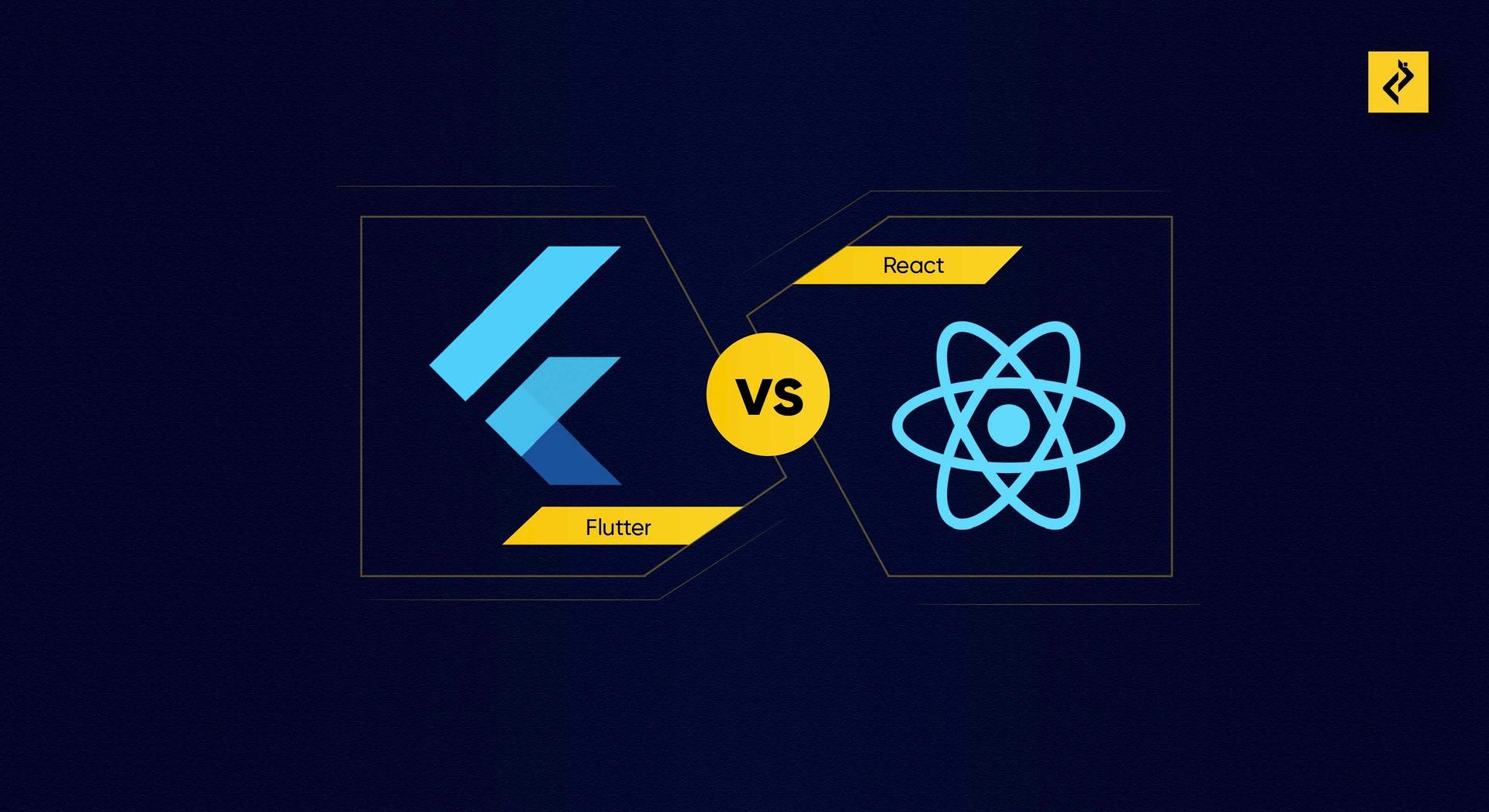
Platform choice matters too. Building separate native apps for iOS and Android means maintaining two codebases. A cross-platform framework such as Flutter or React Native lets one codebase serve both stores (our Flutter vs React Native comparison explains the trade-offs), which usually reduces build and maintenance effort for business apps without a visible difference to users. Design depth is the other lever. An app built on a clean, consistent design system is quicker to build and change than one where every screen is custom.
The most reliable way to control cost is to start with a minimum viable product. That means agreeing the smallest set of features that lets real users complete the core task, launching it, and using real usage data to decide what to build next. Teams that push to build everything in the first release usually spend more and learn less.
A well-run app project in the UK follows a recognisable sequence. It starts with discovery, usually one to three workshops, where the team and the client agree the users, the core journeys, the integrations and the success measures. The output is a written scope and a clickable prototype, so both sides can see what will be built before development begins.
Design follows, turning the prototype into a full interface with a consistent component library, the stage our UI/UX design team leads. Development then runs in short sprints, typically of two weeks, with a demo of working software at the end of each one. This is the single best protection a buyer has, because problems surface in days rather than months. Testing runs throughout, on real devices as well as simulators, and covers accessibility as well as function.
Release involves preparing App Store and Google Play listings, privacy declarations and review submissions. Apple and Google both review apps before publication, and rejections for missing privacy information or incomplete login flows are common, so experienced developers build those requirements in from the start. After launch, a support period covers bug fixes, operating system updates and monitoring, and most clients move to an ongoing plan for improvements.
Every app that collects personal data from people in the UK is subject to UK GDPR and the Data Protection Act 2018, as amended by the Data (Use and Access) Act 2025, which received Royal Assent on 19 June 2025 and whose main data protection changes came into force on 5 February 2026. For an app project, that translates into practical design decisions rather than paperwork alone.
The app should collect only the data it needs, explain clearly why it collects it, and store it securely with encryption in transit and at rest. Consent for marketing and non-essential tracking must be genuine and recorded. Users need a way to see, correct and delete their data, and the back end should be designed so that those requests can be fulfilled without manual database work. If the app processes data that could cause harm if exposed, such as health, financial or location data, a Data Protection Impact Assessment is usually required before launch.
Hosting location is a decision to make early. Many UK buyers prefer UK or European hosting regions for personal data, and if data is transferred outside the UK, the transfer needs a lawful mechanism. A capable development partner will raise these points in discovery rather than leaving them for the end of the project.
Start with evidence. Ask to see apps the team has built that are live in the stores, and download them. Look for apps of similar complexity to yours, with comparable integrations and user roles, rather than apps in the same industry with much simpler requirements. Ask who on the team built them, and whether those people will work on your project.
Then test the process. Ask for a sample scope document, a sample sprint report and an explanation of how change requests are handled. Ask who owns the source code, the design files, the cloud accounts and the App Store and Google Play developer accounts. The answer should be you, in every case, and it should be written into the contract. Ask what testing devices they use, how they handle accessibility, and how they release updates after launch.
Finally, test communication. You should have a named project lead, a predictable meeting rhythm and access to a live project board. If the team works remotely, confirm the hours of overlap with the UK working day and how urgent issues are escalated outside those hours. A short paid discovery phase is a good way to test all of this before committing to the full build, and our checklist on how to choose a mobile app development company covers the contract questions in more depth.
Choosing app developers in London is less about finding the nearest agency and more about finding a team with a visible, disciplined process. Scope drives cost, so a minimum viable product is the safest starting point. A cross-platform stack usually reduces build and maintenance effort for business apps. UK GDPR, as amended by the Data (Use and Access) Act 2025, should shape the design from the first sprint, and the contract should give you full ownership of code, designs and accounts.
An app developer designs, builds, tests and releases software applications for mobile devices and the web. A full-service app development team also covers user experience design, the back-end servers and databases, the admin panel, integrations with other systems, App Store and Google Play submission, and support after launch.
The cost depends mainly on scope: the number of user roles, integrations, real-time features, platforms and any regulated data. A focused minimum viable product sits at the lower end of the range, and a multi-role platform with several integrations sits at the higher end. A written scope from a discovery phase is the only reliable basis for a quote.
Either can work. Judge them on evidence of live apps, a visible sprint process, written ownership of code and accounts, and clear communication. If the team is remote, confirm how many working hours overlap with the UK day and how urgent issues are handled.
It depends on scope and on how quickly decisions are made. A minimum viable product moves faster than a full platform. The best protection is a sprint process with working software demonstrated every two weeks, so progress is visible throughout.
Yes. Any app that processes personal data of people in the UK must comply with UK GDPR and the Data Protection Act 2018, as amended by the Data (Use and Access) Act 2025. That affects what data the app collects, how consent is recorded, where data is hosted and how users exercise their rights.
You should. The contract should state that the client owns the source code, design files, cloud hosting accounts and the App Store and Google Play developer accounts, with full access granted throughout the project.
Pixbit designs and builds mobile apps, web platforms and AI features on Flutter, React, Next.js and Laravel, working with UK clients remotely with a working day that overlaps the UK morning and early afternoon. Every project starts with discovery and a clickable prototype, runs in two-week sprints with live demos, and hands you full ownership of code and accounts. A focused minimum viable product sits at the lower end of the investment range and a multi-role platform with several integrations at the higher end. Explore our mobile app development and MVP development services, or book a discovery session, and Pixbit scopes in a single discovery session.

Digital Marketer
Share on
Have an idea that needs to go mobile? Launch it with us!
Let's Talk
Explore insightful articles and tips from our experts on the latest trends in web development and marketing.
Tell us your business aspirations, and let's craft a custom solution that drives business growth, ensuring satisfaction and exceeding your goals with precision.
Let's Talk