
Why Smart Dubai Cloud Kitchens Are Adding Custom Ordering Apps to Their Delivery Strategy
Nabeel Al Nassir
May 20, 2026
4 Min read
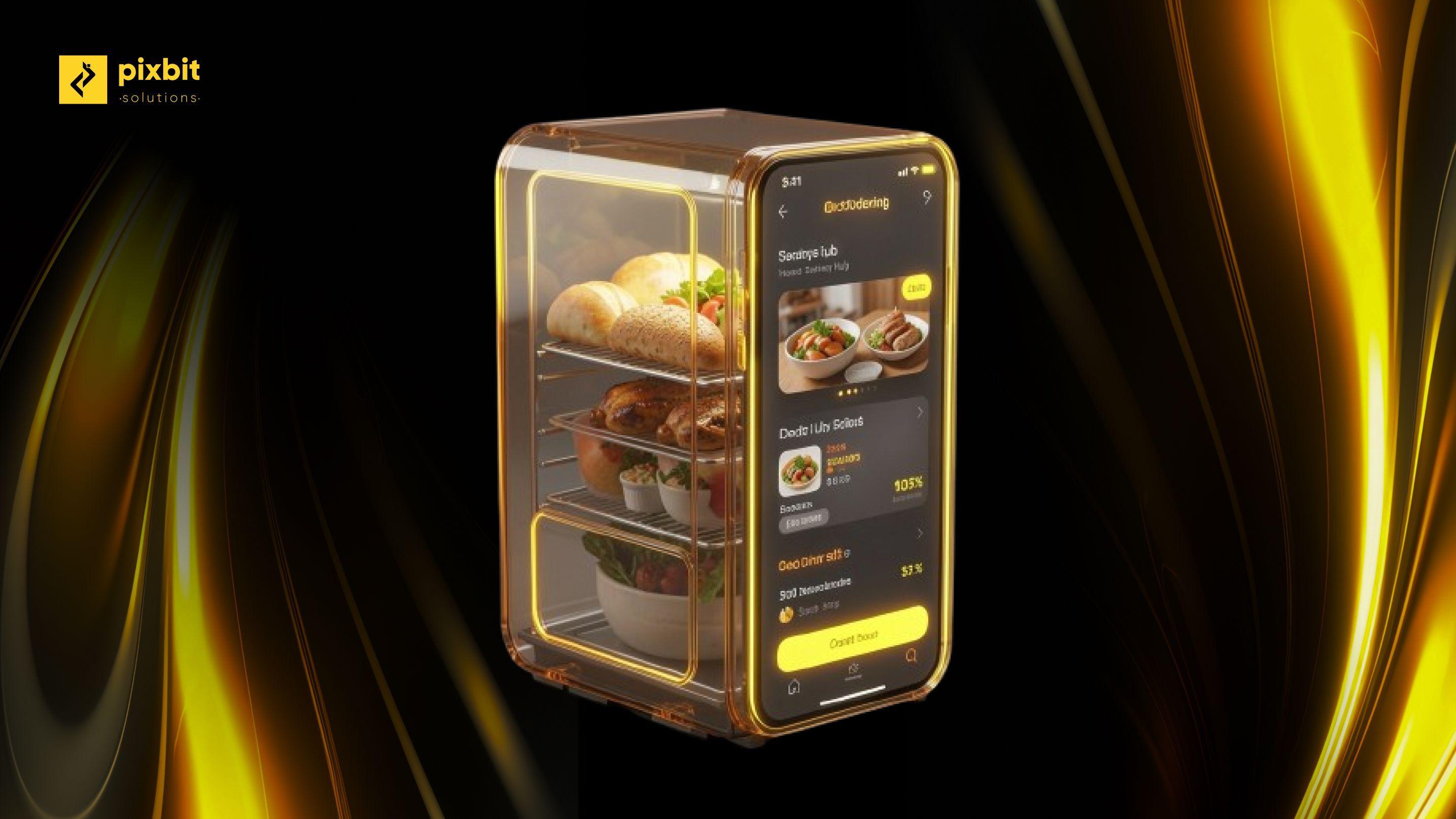
A few years ago, simply getting a cloud kitchen listed on Talabat felt like a huge advantage in Dubai. Today, almost everyone is doing it. The change coincides with the UAE's cloud kitchen market's rapid expansion, which is expected to generate USD 1,104.5 billion in revenue in 2025 and nearly USD 2,987.5 billion by 2033.
Customers open a delivery app and scroll through hundreds of restaurants offering similar cuisines, similar discounts, and nearly identical delivery experiences. For cloud kitchens, staying visible has become harder than ever.
And that is exactly why many cloud kitchen operators are starting to rethink their delivery strategy. Not by moving away from platforms like Talabat or Deliveroo, but by building a custom app for cloud kitchen businesses that gives customers a reason to engage with the brand beyond the marketplace itself.
If Talabat and Deliveroo Already Bring Orders, Why Build Another App?
For most cloud kitchens, aggregator platforms are still one of the easiest ways to enter the market. They offer visibility, delivery logistics, built-in audiences, and convenience. A newly launched brand can start receiving orders within days instead of spending months building awareness from scratch.
That convenience is exactly why Dubai’s cloud kitchen ecosystem expanded so rapidly in the first place. The UAE’s online food delivery market, growing at nearly 6% annually and heavily propelled by mobile internet adoption and the rapid expansion of third-party delivery platforms, accounted for around 0.9% of the global online food delivery market revenue in 2024.
But over time, operators also begin to notice the trade-offs. The more dependent a kitchen becomes on marketplace platforms, the harder it becomes to create a relationship with customers outside those platforms.
Every restaurant competes inside the same interface, fights for attention through the same promotions, and relies heavily on algorithms for visibility.
Eventually, many operators start asking the same question:
“What happens when we want customers to return specifically for our brand?”
That question is usually where conversations around cloud kitchen app development UAE begin. Not because delivery platforms stopped being useful, but because ghost kitchens want more control over how they grow in the long run.
What Are Cloud Kitchens Missing From Delivery Platforms?
At first, most cloud kitchens see delivery platforms as the perfect growth engine. And honestly, for early-stage growth, they are. A restaurant gets visibility almost instantly, customers start placing orders, and operations become much easier compared to building a delivery system independently from scratch.
However, after a while, operators start noticing a different problem. The kitchens receive orders, but the brand itself does not become memorable.
The customer remembers opening Talabat. They remember scrolling through Deliveroo. They remember the discount they received from the platform. But the restaurant itself often becomes just another option inside a long list of competing brands.
That creates a completely different challenge for cloud kitchens trying to scale long-term because the entire customer journey belongs mostly to the marketplace.
The platform controls:
- How restaurants appear
- How customers discover brands
- How promotions are shown
- How loyalty is shaped
For cloud kitchen operators, this means there is limited room to build a relationship that exists outside the aggregator ecosystem.
Even restaurants with consistent order volume can struggle to:
- Build recognizable brand recall
- Encourage repeat ordering habits
- Create personalized experiences
- Maintain customer loyalty without constantly competing for visibility again
Customers today are surrounded by endless choices. A user can scroll through dozens of nearly similar restaurants within seconds.
In that kind of environment, operators start realizing they need stronger customer engagement with the people ordering from them repeatedly, which is exactly why many cloud kitchens are now investing in ghost kitchen ordering app Dubai solutions alongside delivery marketplaces.
What Does a Custom Ordering App Actually Change?
Many people assume a custom ordering app simply gives customers another place to order food. In reality, it changes much more than that.
A well-built custom app for cloud kitchen businesses gradually becomes part of the business infrastructure itself. It helps cloud kitchens manage customer engagement, retention, branding, and operational efficiency in ways marketplace platforms usually cannot fully support.
For example, many Dubai cloud kitchens now use custom apps to:
- Reward repeat customers
- Run referral programs
- Launch limited-time campaigns
- Send personalized push notifications
- Encourage subscription-based or scheduled ordering
Over time, these smaller interactions help customers connect with the cloud kitchen brand itself rather than just the delivery platform.
Custom apps also provide businesses with clearer customer insights, such as:
- Frequently ordered meals
- Peak ordering periods
- Customer preferences
- Repeat purchase behaviour
That information becomes extremely valuable when scaling because, for many businesses, the app eventually becomes less about convenience and more about building a stronger long-term customer ecosystem.
Can Custom Apps Work Alongside Talabat and Deliveroo?
Absolutely.
There is a common misconception that cloud kitchen app development UAE means abandoning delivery platforms altogether. In reality, most operators still rely heavily on aggregators for customer discovery and market reach.
Talabat and Deliveroo continue to play an important role in helping restaurants attract new customers. A customer may discover the restaurant through a marketplace initially, but the brand gradually encourages repeat ordering through its own app using:
- Loyalty rewards
- Member-only deals
- Personalized offers
- Faster reordering experiences
This hybrid strategy is becoming increasingly common because it allows cloud kitchens to benefit from both systems instead of depending entirely on one.
Rather than replacing aggregator platforms, custom apps help reduce over-reliance on them.
What Features Do Modern Ghost Kitchen Apps Usually Include?
Today’s ghost kitchen ordering app Dubai platforms are built around far more than basic food ordering. Most operators now want systems that support both customer experience and backend operations together.
Multi-Brand Ordering Systems
Many cloud kitchens operate multiple virtual restaurant brands from a single kitchen setup. Modern apps often allow customers to browse several brands while operators manage everything through one centralized system.
Loyalty and Rewards Programmes
Point systems, referral rewards, cashback offers, and exclusive member benefits help increase repeat orders and improve customer retention.
Real-Time Order Tracking
Customers now expect live order updates, estimated delivery times, and smoother tracking experiences throughout the delivery process.
Push Notifications and Personalized Campaigns
Restaurants use notifications to bring customers back with reorder reminders, seasonal promotions, and targeted offers.
Arabic and English User Experience
Localization has become increasingly important in the UAE market. Bilingual support improves accessibility across Dubai’s diverse audience.
Customer Analytics and Insights
Custom apps help operators better understand customer behaviour, menu performance, and long-term ordering patterns.
How Much Does Cloud Kitchen App Development Cost in the UAE?
The answer depends heavily on what the business wants to build.
A basic ordering application with payment integration will naturally cost far less than a scalable multi-brand platform that includes loyalty systems, delivery tracking, analytics dashboards, CRM integrations, and advanced retention features.
Some of the biggest factors that influence development cost include:
- Android and iOS support
- Real-time tracking
- Multilingual functionality
- Admin dashboards
- CRM integrations
- Loyalty features
- Long-term scalability requirements
For many cloud kitchens, the investment is no longer viewed simply as app development. It is increasingly seen as building a direct customer acquisition and retention channel that operates alongside delivery aggregators.
What Should Cloud Kitchens Look for in an App Development Partner?
Cloud kitchen app development UAE is very different from building a generic e-commerce platform.
Food delivery businesses operate in fast-moving environments where customer experience, delivery coordination, order flow, scalability, and retention systems directly impact profitability.
That is why choosing the right development partner matters far more than many businesses initially realize.
Operators should look for teams that understand:
- Delivery workflows
- Multi-brand cloud kitchen operations
- Customer retention strategies
- Scalable backend systems
- Localization requirements within the UAE market
An experienced company like Pixbit Solutions can help cloud kitchens build ghost kitchen ordering app Dubai platforms specifically designed for modern delivery-first food businesses instead of relying on generic app structures.
Because ultimately, the goal is not simply to launch an app. It is to create a delivery ecosystem that allows the brand to grow more independently over time.
Are Custom Ordering Apps Becoming the Next Big Shift for Dubai Cloud Kitchens?
In many ways, they already are.
Talabat, Deliveroo, and other aggregator platforms will continue to remain important parts of Dubai’s food delivery ecosystem. They continue to provide reach, convenience, and customer acquisition opportunities that cloud kitchens value heavily.
But operators are increasingly realizing that long-term growth becomes far easier when they build stronger direct customer relationships alongside those platforms.
Instead of treating custom app for cloud kitchen businesses as optional add-ons, more brands are beginning to see them as part of their long-term growth strategy, especially in a market as competitive as Dubai.

Nabeel Al Nassir
Digital Marketer
Share on
Have an idea that needs to go mobile? Launch it with us!
Have an idea that needs to go mobile? Launch it with us!
Let's Talk
You May Also Like
Explore insightful articles and tips from our experts on the latest trends in web development and marketing.

Have an idea ?
Let's make it happen
Tell us your business aspirations, and let's craft a custom solution that drives business growth, ensuring satisfaction and exceeding your goals with precision.
Let's Talk