Construction Progress Reporting Platform Dubai: How to Build a Mashrooi-Style Real Estate Tracking System
Saranya M S
July 31, 2026
5 Min read
Anyone buying an off-plan property knows the waiting game.
Once the booking is complete, the next question is almost always the same: How is the project progressing? Months can pass between milestones, and while developers continue building on site, buyers often rely on occasional emails, customer support calls, or marketing updates to understand what's happening. That expectation has started to change.
Dubai's real estate sector has steadily moved towards greater transparency, giving investors easier access to verified construction updates instead of leaving them to chase information. As more developers embrace digital customer experiences, there's a growing need for software that presents construction progress in a clear, structured, and trustworthy way.
That's where a construction progress reporting platform Dubai becomes valuable.
Rather than functioning as another construction management application, it acts as a central reporting portal where verified progress updates, milestone completions, inspection records, and project information can be reviewed and shared with the right audience. For developers, it creates a consistent reporting process. For investors, it offers a single place to follow a project's journey from launch to handover.
This article explores how to build a platform inspired by Dubai's approach to real estate transparency, the features it should include, how the reporting workflow operates, and the software architecture needed to support it.
What is Mashrooi, and Why Does It Matter?
Anyone buying an off-plan property has one common concern: How do I know the project is moving as planned?
Mashrooi answers that question by bringing construction updates into one place. It gives buyers, investors, and other stakeholders a simple way to look up the status of registered projects instead of depending on occasional emails or customer support for every update.
The property project tracking app Dubai, introduced by the Dubai Land Department, makes project information easier to access through a clear, search-driven interface. Rather than replacing the systems developers already use, it presents approved project updates in a format that's easy to understand.
A project page can include details such as the current construction status, completion percentage, developer profile, escrow account information, inspection records, and recent progress photographs. Giving investors another way to stay informed about the development.
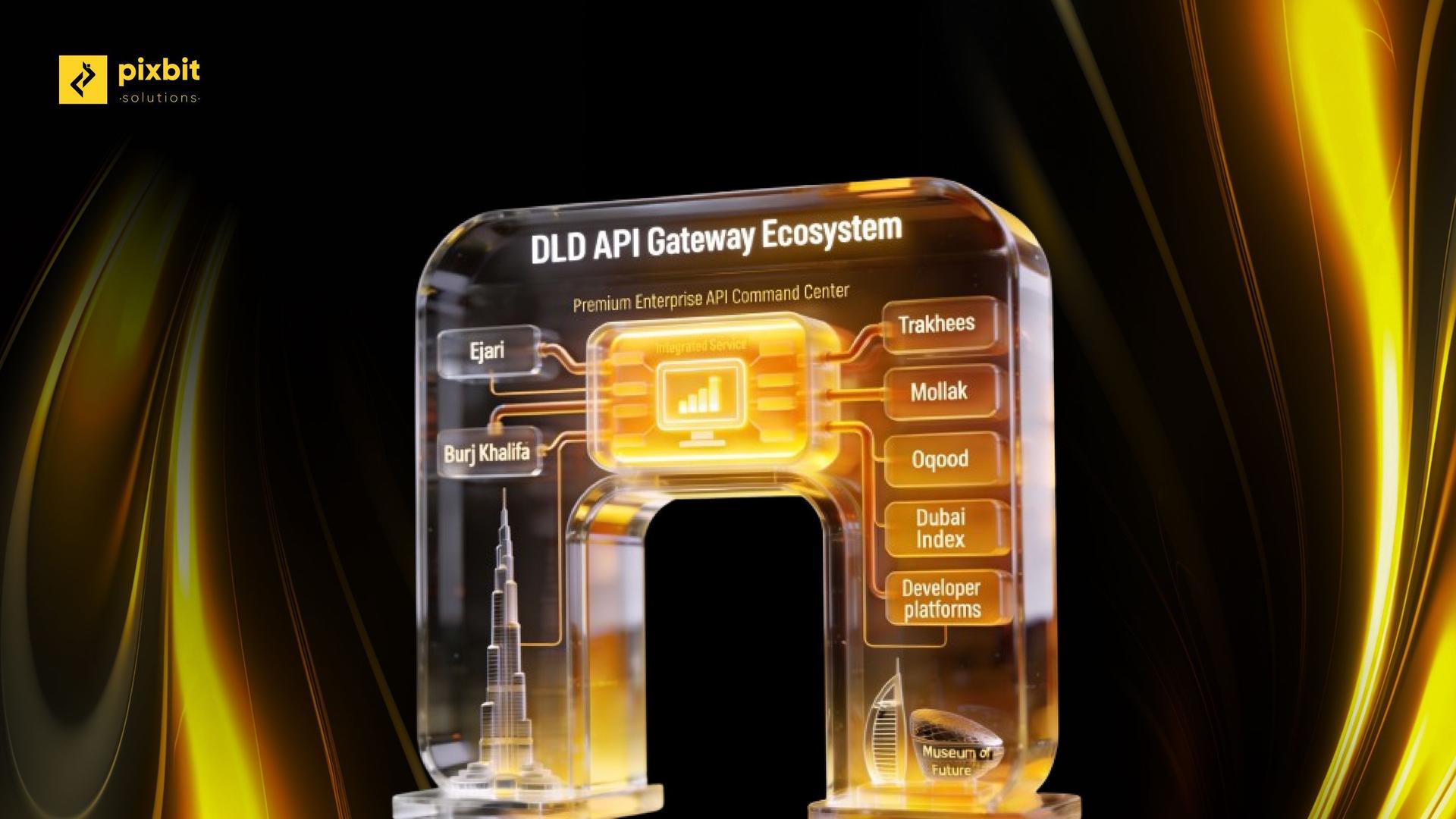
Mashrooi works alongside Dubai REST, the Dubai Land Department's digital real estate platform, by making verified project information more accessible to the public. While Dubai REST project status serves as a comprehensive platform for a wide range of real estate services and transactions, DLD Mashrooi integration has a more focused role. It is not a project management system designed for engineers, contractors, or site supervisors. Instead, it presents authenticated construction progress, project milestones, and development updates in a clear, transparent format, allowing buyers, developers, and other stakeholders to track project status with confidence. For a fuller picture of how Mashrooi fits alongside Ejari, Mollak, Trakheesi, and the rest of the DLD ecosystem, see our guide to UAE property software compliance requirements.
For businesses planning to build similar real estate developer reporting software Dubai, that's a useful starting point. The challenge isn't collecting project updates those already exist across site teams, project managers, inspection records, and developer reports. That's what separates a construction progress reporting platform Dubai from a simple Dubai construction progress dashboard. One collects information. The other makes sure the right information reaches the right audience at the right time.
Why Dubai Needs Construction Progress Reporting Platforms
A buyer may reserve a property months or even years before receiving the keys. During that time, construction continues, inspections take place, milestones are completed, and new updates become available. The more real estate transparency platform Dubai, the easier it becomes for buyers to stay confident about their investment.
That's one reason construction reporting software UAE has become increasingly valuable. Instead of updates being scattered across emails, PDFs, customer support conversations, and marketing materials, they sit in one place. Buyers know where to check. Developers know where to publish. Internal teams refer to the same information instead of maintaining different versions of the story.
The benefits extend beyond investor communication. Sales teams can confidently discuss project progress using the latest approved updates. Customer support spends less time responding to routine status requests. Project teams have a structured process for sharing reports without worrying about outdated information appearing in public.
Centralized reporting also creates greater accountability. Every published update follows a review process, making it easier to maintain consistency across projects. Construction milestones, inspection reports, and progress photographs tell a clearer story when they're presented together instead of being shared separately over several months.
This strategy is well suited to Dubai's broader digital real estate market, where purchasers already anticipate the availability of numerous property-related services online. Construction progress is simply another part of that experience. Rather than wondering where to find the latest update, investors can return to a familiar Dubai construction progress dashboard and pick up exactly where the previous report left off.
Who Uses a Construction Progress Reporting Platform?
One of the biggest misconceptions about construction reporting platforms is that they're built only for developers.
In reality, every group involved in a project interacts with construction progress differently. Some publish updates, some review them, and others simply want to know how the development is progressing. A well-designed platform recognises those differences and presents the right information to the right people.
Developers
Developers already have the information buyers are looking for. The challenge is organising it. Instead of construction updates being shared through emails, presentations, or individual requests, a central reporting platform provides one place to publish approved milestones, photographs, inspection summaries, and project announcements. The result is greater consistency across every customer touchpoint.
Investors
Developers already have the information buyers are looking for. The challenge is organising it. Instead of construction updates being shared through emails, presentations, or individual requests, a central reporting platform provides one place to publish approved milestones, photographs, inspection summaries, and project announcements. The result is greater consistency across every customer touchpoint.
Project Managers
The reporting process revolves around the project managers. Most of the time they are responsible for collecting updates from site teams, making sure that milestones have been met, attaching supporting documents and preparing reports for review before publication. Having a structured workflow also means fewer last-minute requests for information. The latest updates are already stored in one place and can be reviewed whenever required.
Engineering Teams
Engineering teams contribute much of the information that appears on the platform, even if investors never interact with them directly. Inspection records, site observations, technical documents, and construction updates all become part of the reporting process. Rather than sending these updates through lengthy email chains, they can upload them directly for review.
Customer Success Teams
Construction updates are among the most common questions buyers ask after booking a property. Instead of searching through emails or requesting information from project teams each time, customer success representatives can refer to the latest published update. That shortens response times and helps every customer receive the same information.
Sales Teams
Sales conversations don't stop after a property is sold. Potential buyers often ask how existing projects are progressing before making a purchase decision. Having access to recent milestones and verified updates gives sales teams reliable material to share during those discussions.
Government Stakeholders
Where required, authorised government departments can access project information relevant to their responsibilities. Depending on how the platform is designed, this may include inspection records, project status, or other reporting data that supports oversight and transparency.
Property Management Companies
As projects move closer to completion, property management companies can use the platform to keep track of handover readiness, documentation, and project status. Having access to the latest approved information makes planning the next phase much easier. This audience overlaps closely with the workflows covered in our guide to building an owners association management platform, where Mollak integration and reserve fund reporting follow a similar approval structure. When each team works from the same platform, reporting becomes far more consistent. Updates aren't duplicated across departments, and stakeholders spend less time searching for information that already exists somewhere else.
Core Features of a Mashrooi-Style Platform
The value of a construction progress reporting platform isn't measured by the number of features it offers. It's measured by how quickly someone can find the information they're looking for.
A buyer checking whether construction has reached the next milestone doesn't need to navigate multiple pages. A developer uploading fresh site photographs shouldn't have to repeat the same task across different systems. The best platforms remove those small points of friction by organising project information into a single reporting experience.
Here's what that experience typically includes.
Completion Percentage & Milestone Tracking
The first thing most buyers look for isn't a lengthy report. They want to know one thing: How far has the project progressed?
Displaying a completion percentage provides an immediate snapshot, but it becomes far more meaningful when it's supported by construction milestones. Foundation work, structural completion, façade installation, MEP progress, and finishing stages all help explain what that percentage actually represents.
Rather than publishing isolated updates, the platform builds a timeline that shows how the project has moved from one stage to the next. Over time, that timeline becomes a valuable record of the development's journey instead of simply displaying the latest status. Investors tracking multiple units often want this milestone view alongside broader portfolio insight, which is the focus of our guide on building a Dubai property portfolio management app with Ejari tracking and real-time yield dashboards.
Inspection Reports & Progress Photos
Numbers explain progress. Photographs prove it. Recent site images allow buyers to see visible changes between updates, creating a stronger sense of confidence than percentages alone ever could. When organised chronologically, those images also tell the story of the project from groundbreaking through to completion.
Inspection reports provide another layer of context. Public users may only need confirmation that a construction stage has been reviewed, while internal teams often require access to more detailed documentation. Presenting each audience with the right level of detail keeps the experience clear without exposing information that's only relevant behind the scenes.
Project Search & Filtering
No developer manages just one project. As the number of developments grows, users need a faster way to locate the right one without scrolling through long project lists. That's where intelligent search and filtering become essential.
Instead of searching only by project name, users can filter developments using criteria such as location, developer, project status, community, construction stage, or completion percentage. Whether someone is looking for a newly launched residential tower or a project nearing handover, the right information should be only a few clicks away.
For organisations managing multiple developments, this search experience forms the foundation of a Dubai construction progress dashboard, helping both internal teams and investors access project updates more efficiently.
Developer Profiles & Escrow Information
Trust isn't built through construction updates alone. Buyers also want to understand who's delivering the project. Dedicated developer profiles can bring together company information, completed developments, ongoing projects, and other relevant details in one place. When appropriate, the platform can also present escrow-related information alongside approved project updates, giving buyers a broader picture without requiring them to search elsewhere.
For organisations building real estate developer reporting software Dubai, these profiles become more than a directory; they connect every construction update to the developer responsible for delivering it. Developer and broker verification of this kind usually ties back to the DLD permit system, which we cover in more depth in our Trakheesi integration guide.
Site Visit Booking
For many buyers, online updates are enough. Others prefer seeing the project for themselves. A built-in visit booking feature gives them a straightforward way to request a site visit without calling customer support or exchanging multiple emails. They can choose from available dates, submit their request, and receive confirmation once it's approved.
On the other side, developers have better control over scheduling. Visits can be managed based on project stage, visitor capacity, or internal policies, making the entire process easier to coordinate. It's a small feature, but one that brings the digital and physical experience together.
Public Project Dashboard
Not every visitor arrives with a project name in mind. Some may be researching a developer's ongoing projects, while others simply want to understand what's under construction in a particular area. A public dashboard makes that possible by bringing active developments into a single, easy-to-browse view.
Each project card can display essential details such as the project name, developer, location, latest completion percentage, and last updated date. Selecting a project opens a dedicated page with timelines, photographs, milestone updates, and other approved information. The experience stays simple for first-time visitors while giving returning investors a familiar place to check for new updates.
Notifications
Construction doesn't move forward every day, but when something important happens, buyers expect to know about it. Notifications help keep users informed without asking them to keep checking the portal. A newly completed milestone, fresh inspection update, published progress report, or approved site visit can all trigger alerts through email, SMS, or mobile push notifications.
Giving users control over what they receive is just as important. Some may only want major construction updates, while others prefer to hear about every published report. Simple notification preferences make the experience more useful and far less intrusive.
How the Platform Works?
Behind every construction update that appears on the public portal is a structured approval process. Buyers only see the final update, but several teams are involved before that information is ready to be published. This workflow ensures that every milestone, inspection record, and progress photographs have been reviewed before it becomes visible to investors. That's what separates a construction progress reporting platform Dubai from a simple file-sharing portal or spreadsheet.
Construction Site
This is where the information originates. As work progresses, site teams record completed activities, capture photographs, prepare inspection documents, and note important milestones. Rather than creating reports for different departments, everything is collected as part of a single reporting process.
Project Manager
Project managers review the incoming updates before they move any further. They check whether milestones have been completed, verify supporting documents, organise photographs, and prepare the update for approval. If something is missing, it can be returned for revision instead of being published with incomplete information.
Admin Review
Once submitted, the update reaches the administrative team. Their role isn't to verify construction itself. Instead, they make sure the information follows publishing standards, attachments are complete, images display correctly, and the update is ready for public release. This review also helps maintain consistency across multiple projects managed by different teams.
Developer Approval
Publishing construction updates is ultimately a business decision. Developer representatives review approved content to ensure it aligns with internal communication policies before making it available to the public. This additional approval layer is one of the reasons a project status reporting software Dubai solution delivers more reliable information than informal update channels.
Public Portal
After approval, the update appears on the public portal. Investors can see the latest progress without needing to contact support, while prospective buyers gain a clearer understanding of how the project is moving forward. Older updates remain available as part of the project's timeline, allowing users to follow progress from the beginning instead of only seeing the latest report.
Investor Access
For investors, the experience should feel effortless. Instead of contacting customer support for the latest construction status, they simply log in and view the most recent approved updates. Whether they're following a single property or multiple developments, the reporting portal keeps everything organised in one place, much like a dedicated property project tracking app Dubai built specifically for Dubai's off-plan market.
Admin & Developer Dashboards
The public portal is only one part of the system. Most of the work happens behind the scenes, where administrators and developers manage projects, review updates, and prepare information for publication. Giving both groups the same dashboard rarely works well. Their responsibilities are different, so the interface should reflect that.
Public Dashboard vs Developer Dashboard
The public dashboard is designed for visibility.
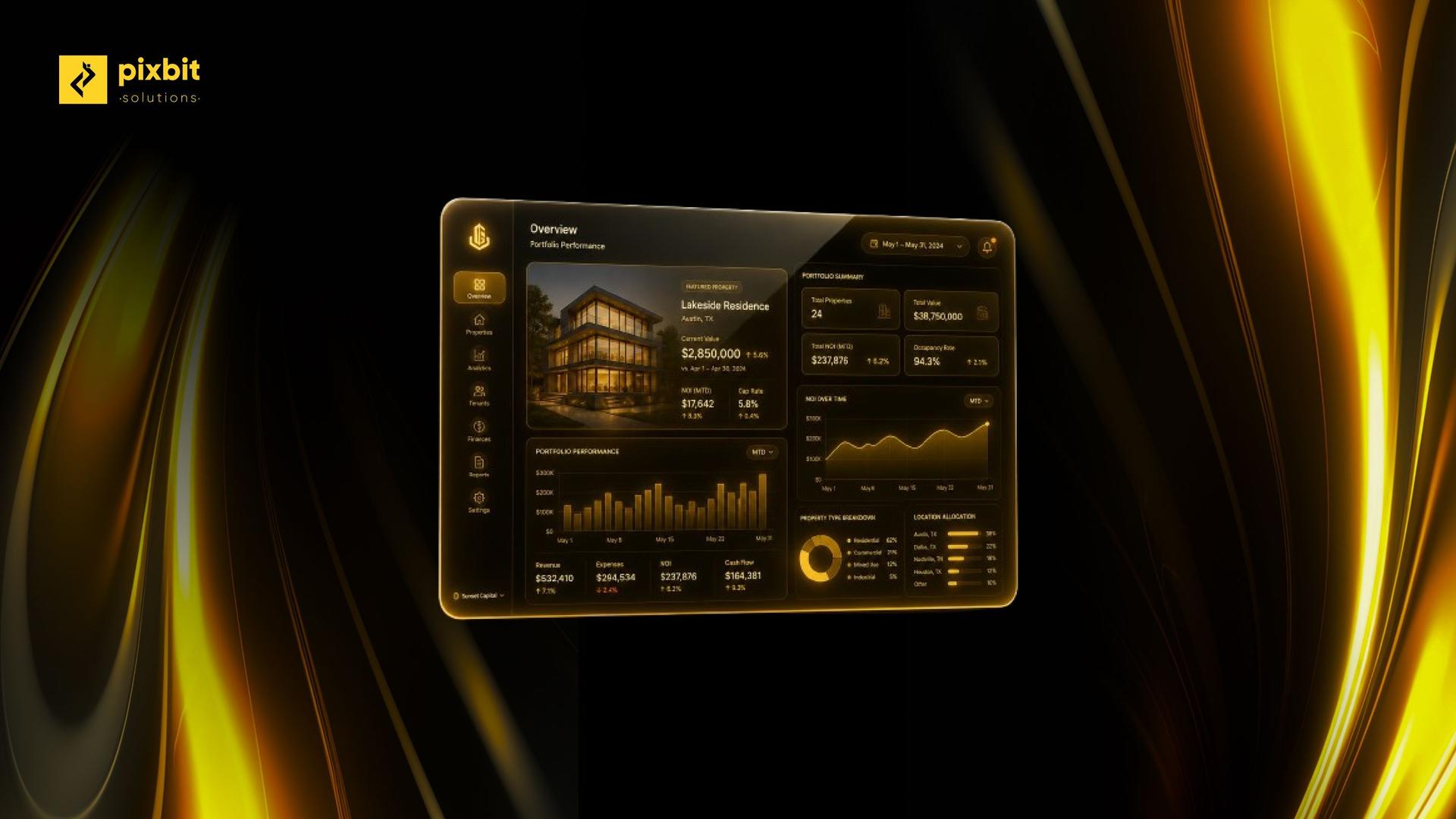
Its purpose is to help buyers, investors, and other stakeholders understand how a project is progressing without overwhelming them with technical information. Recent milestones, construction photographs, inspection summaries, completion percentages, developer details, and project timelines are presented through a clean interface that's easy to navigate.
The developer dashboard serves a completely different purpose.
Rather than consuming information, developers create and manage it. From a single workspace, authorised users can upload progress photographs, publish milestone updates, maintain project timelines, organise supporting documents, and review pending approvals. For organisations building real estate developer reporting software Dubai, this dashboard becomes the operational centre where every published update begins.
Integrations
A construction progress reporting platform rarely works in isolation. By the time a project reaches construction, most developers are already using other business systems to manage sales, finance, customer communication, and documentation. Instead of replacing those tools, the reporting platform should fit into the existing setup and exchange information where it makes sense.
CRM
Investor details, booking information, and customer records often live inside a CRM. Connecting the two systems allows teams to display project information to the right users without maintaining separate customer databases. It also helps customer-facing teams access project updates without switching between multiple applications during conversations with buyers. Our CRM development services regularly handle this kind of integration for real estate clients.
ERP
Project-related information such as contracts, procurement records, financial data, or operational reports is usually managed through an ERP system. While not every ERP record needs to appear on the reporting platform, selected data can support internal dashboards and management reports. The goal isn't to duplicate information. It's to reduce manual work wherever possible.
Investor Portals
Many developers already provide dedicated investor portals. Rather than asking buyers to log into another application, construction updates can be displayed within the existing portal through secure APIs. This creates a familiar experience where investors can review payments, documents, and project progress from one account instead of navigating multiple platforms.
For organisations planning DLD Mashrooi integration, this approach also makes it easier to exchange verified project data with existing digital services where appropriate, while keeping the reporting workflow centralised within the developer's own platform.
Mobile Apps
Project updates shouldn't be limited to desktop users. Whether someone is checking the latest construction photographs during a meeting or reviewing milestone updates while travelling, mobile access keeps information within easy reach. That's why many developers extend the platform through dedicated Android and iOS applications rather than relying solely on a web portal.
For businesses building a property project tracking app Dubai, mobile notifications and quick access to project timelines often become just as important as the desktop experience.
Email & SMS
Some updates deserve immediate attention. Completion of a major construction milestone, approval of a site visit, or the publication of a new inspection report can automatically trigger notifications through email or SMS, keeping users informed without asking them to check the portal every day.
Document Storage
Construction projects generate thousands of files over their lifetime. Inspection reports, permits, certificates, drawings, photographs, and supporting documents all need to be stored in an organised way. Connecting the platform with a document management system keeps those files available without turning the reporting application into a storage repository.
GIS & Maps
Location is an important part of every real estate project. Map integration allows users to view project locations, nearby developments, access routes, and surrounding infrastructure directly from the project page. For developers managing projects across different communities, map-based views also make internal reporting easier.
Analytics
Publishing updates is only part of the picture. Developers also benefit from understanding how people use the platform. Analytics can highlight which projects receive the most attention, how often investors return to check progress, what updates generate the highest engagement, and where users tend to leave the portal. Those insights help teams improve communication over time rather than relying on assumptions.
Security & Access Management
Transparency doesn't mean every piece of information should be public.
A reporting platform may display construction milestones, inspection summaries, and project photographs for investors, but behind those updates sits a much larger collection of internal records. Draft reports, approval notes, visitor requests, and supporting documents all require different levels of access. The platform should recognise that difference from the moment a user logs in.
Role-Based Permissions
Not everyone involved in a project has the same responsibilities. An investor checking construction progress doesn't need access to draft inspection reports. A project manager responsible for uploading updates shouldn't automatically have permission to publish them. Administrators, developers, customer support teams, and engineering staff each require different levels of access based on the work they perform.
This structured approach is one of the reasons construction reporting software UAE is increasingly designed around role-specific experiences rather than a single interface for every user.
Authentication
The first layer of security begins before any project information is displayed. Secure authentication helps verify user identities while preventing unauthorised access to project records. Depending on business requirements, the platform can support multi-factor authentication, single sign-on (SSO), or enterprise identity providers to strengthen account security without making the login experience unnecessarily complicated.
Audit Logs & Version History
Construction updates often pass through several rounds of review before they're published. Keeping a complete history of those changes makes it easier to understand what was updated, who approved it, and when it became part of the public record. Audit logs also provide valuable operational visibility whenever reports need to be reviewed or previous versions revisited.
Data Validation
Publishing inaccurate information creates unnecessary confusion for both developers and buyers. Before an update appears on the public portal, the platform should validate mandatory fields, completion percentages, supporting documents, dates, and uploaded media. Catching incomplete records during the approval stage is far easier than correcting published information later.
Privacy & Visitor Information
Booking a site visit or registering for project updates often involves sharing personal information such as names, email addresses, and contact numbers.
That information should only be accessible to authorised users and handled according to the organisation's internal privacy and security practices. The objective isn't simply protecting data it's maintaining the trust that encourages investors to continue using the platform.
A secure reporting platform isn't defined by how much information it stores. It's defined by how carefully that information is managed, reviewed, and shared with the right people.
Custom Platform vs Off-the-Shelf Construction Software
Not every construction reporting requirement is the same.
A developer managing three residential projects has very different operational needs from an enterprise overseeing dozens of mixed-use developments across multiple locations. While both may be looking for software to publish construction updates, the way those updates are collected, reviewed, approved, and shared can vary significantly.
That's why many businesses eventually reach a point where generic software starts to feel restrictive.
Off-the-shelf solutions are often designed to serve a broad audience. They provide standard features that work reasonably well across different industries, making them a practical choice for organisations with straightforward reporting requirements. However, as business processes become more specialised, those standard workflows may no longer reflect how the organisation actually operates.
A custom-built construction progress reporting platform Dubai, on the other hand, is designed around the developer's own reporting process. Instead of adapting internal teams to fit the software, the software is built to support existing approval workflows, project structures, stakeholder communication, and business systems. We've taken a similar government-system-inspired approach before, including for a Dubai property auction platform built around DLD's e-auction model.
The difference becomes even more noticeable in Dubai's real estate sector, where reporting expectations, buyer experiences, and digital property services continue to mature. For businesses looking to build a real estate transparency platform Dubai, flexibility often becomes just as important as functionality.
| Feature | Custom Construction Progress Reporting Platform | Off-the-Shelf Construction Software |
|---|---|---|
| Purpose | Built around construction progress reporting and investor communication | Primarily focused on project and site management |
| Workflows | Matches the developer's existing approval and reporting process | Uses predefined workflows with limited flexibility |
| Investor Visibility | Public dashboards, project timelines, progress photos, and visit booking | Usually designed for internal project teams rather than investors |
| Dubai-Specific Requirements | Can be tailored to local reporting practices and business needs | Often requires workarounds or additional customisation |
| Integrations | Connects with CRM, ERP, investor portals, mobile apps, GIS, and document storage based on business requirements | Integration options depend on the software vendor and licensing model |
| Branding | Fully customised interface and user experience | Limited branding and interface customisation |
| Scalability | New features and modules can be added as business requirements change | Expansion depends on the vendor's roadmap and available modules |
| Ownership | The platform is built around your business and can continue to grow with it | Businesses work within the capabilities offered by the software provider |
Choosing between a custom platform and an off-the-shelf product isn't simply a technical decision. It comes down to how closely the software needs to reflect your business. If construction progress reporting is an important part of how you communicate with buyers, flexibility quickly becomes just as valuable as functionality. The closer the platform aligns with your existing workflows, the less time teams spend adapting to the software and the more time they spend keeping projects on track.
Why Choose Pixbit Solutions?
Building a construction reporting platform isn't simply about developing dashboards or publishing progress updates. It's about understanding how information moves through a real estate organisation and designing software that supports that journey from the construction site to the investor.
With over 10 years of experience delivering custom digital solutions across the UAE and the wider GCC, Pixbit Solutions has worked on platforms where workflow design, integrations, scalability, and user experience are just as important as the technology behind them. Our real estate app development work spans PropTech, enterprise applications, and custom business software, including a brokerage platform for Range International Property Investment that supported AED 8B+ in property sales, which lets us build solutions that fit the way organisations already operate instead of forcing teams to adapt to rigid software.
Whether the goal is creating a project status reporting software Dubai solution for a growing developer, building real estate developer reporting software Dubai with role-based workflows, or developing a fully customised construction progress reporting platform Dubai, our focus remains the same: delivering software that's practical, scalable, and built around real business requirements.
Every developer follows a different reporting process. Some manage a handful of premium developments, while others oversee large portfolios with multiple teams, approval layers, and stakeholder groups. That's why we don't begin with templates. We begin by understanding how your business works, then design a platform that supports those processes while leaving room for future growth.
If you're planning to build a construction progress reporting platform inspired by Dubai's digital real estate ecosystem, Pixbit Solutions can help you turn that vision into a secure, scalable, and user-focused product that delivers long-term value for both your teams and your customers. Pixbit scopes in a single discovery session — get in touch to talk through your requirements.

Saranya M S
Content Writer at Pixbit Solutions
Share on
Have an idea that needs to go mobile? Launch it with us!
Let's Talk

You May Also Like
Explore insightful articles and tips from our experts on the latest trends in web development and marketing.
Have an idea ?
Let's make it happen
Tell us your business aspirations, and let's craft a custom solution that drives business growth, ensuring satisfaction and exceeding your goals with precision.
Let's Talk